HoneyBook vs. Lemlii: The Showdown for Videographers

HoneyBook vs. Lemlii: The Showdown for Videographers
If you’ve been in the wedding industry for more than five minutes, you know HoneyBook. It is an incredible platform. It’s beautifully designed, robust, and for 90% of wedding vendors—florists, planners, stationery designers—it is genuinely the best option out there.
But as videographers, we often find ourselves in the "other" 10%.
We have different needs. We don't just deal in contracts and timelines; we deal in massive files, emotional storytelling, and long post-production cycles. For many of us, the default path has been to use a CRM like HoneyBook for the business side, and then patch together other tools (Vimeo, VidFlow, Google Drive) for the delivery side.
It works, but is it the efficient way to run a studio? Here is the honest breakdown between the Industry Giant and the Video Specialist.
The Snapshot Comparison
Before we dive deep, let's look at the hard specs. HoneyBook is a "Generalist" (built for everyone), while Lemlii is a "Specialist" (built for wedding filmmakers).
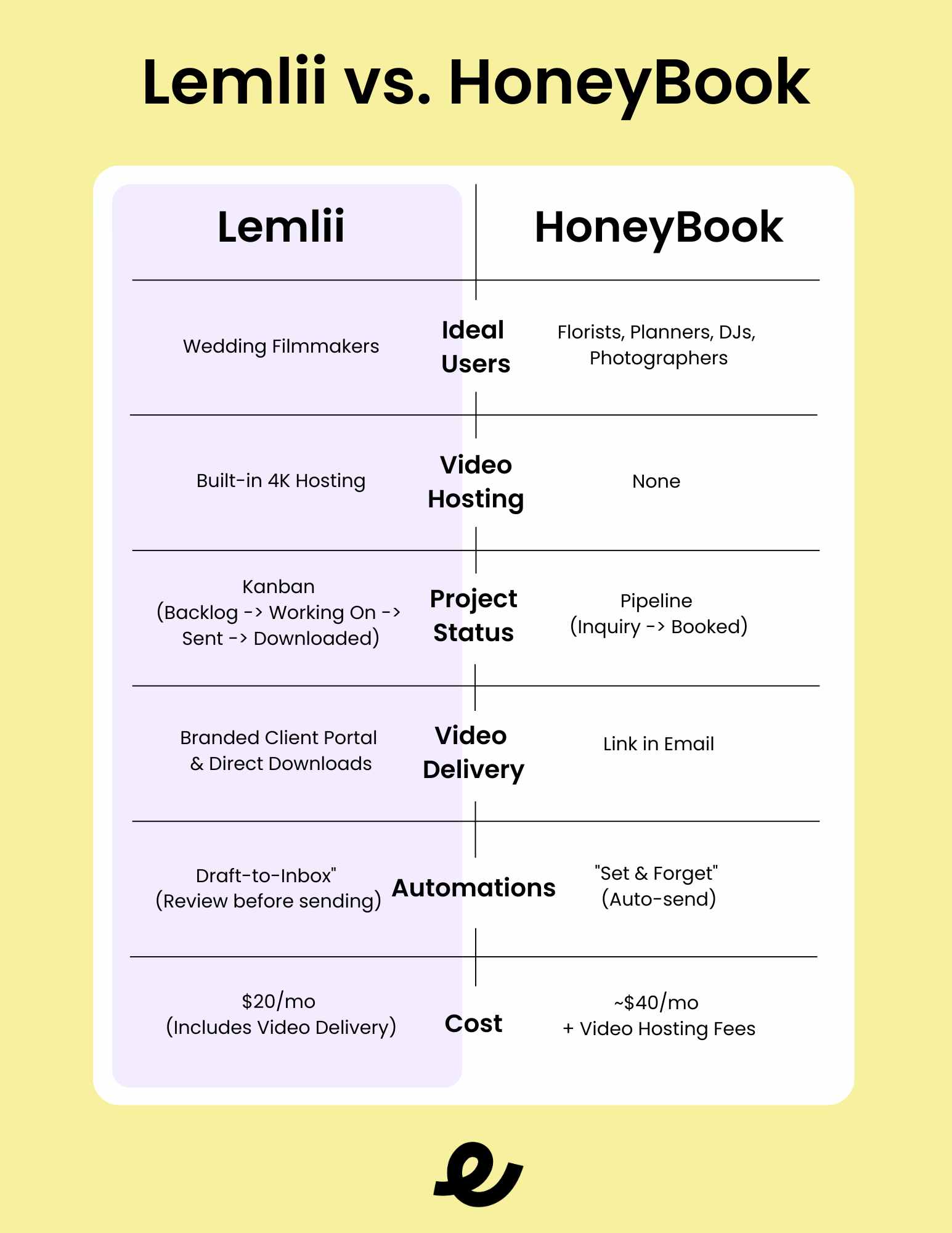
1. The Workflow: Disconnected vs. Unified
The biggest friction point for videographers using general CRMs is the "App Switching Fatigue."
With HoneyBook: You send the contract in HoneyBook. You shoot the wedding. You edit. You export. You upload to Vimeo or MediaZilla. You create a new email in HoneyBook. You paste the link. You send it to the client.
With Lemlii: You stay in one tab.
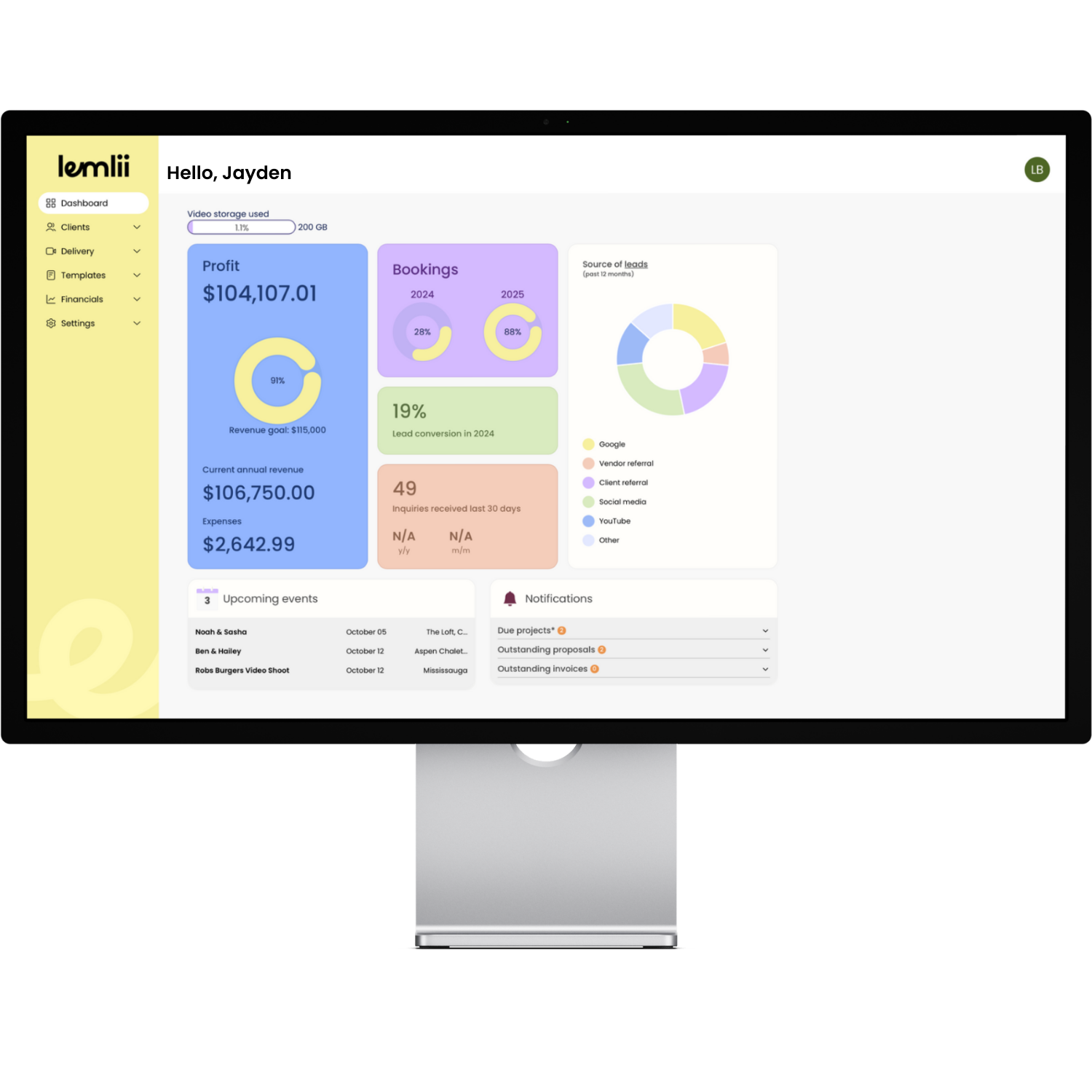
Because Lemlii was built for our specific workflow, the dashboard isn't just about money—it's about production. When you open your Projects Dashboard, you aren't just seeing who owes you money; you are seeing exactly where every film sits in the edit bay.
When a wedding date passes, Lemlii automatically moves that project from "Upcoming" to "Backlog." When you are ready to cut, you drag it to "Working On." It’s a Kanban board designed for editors, not just accountants.
2. The Delivery Experience (The Dealbreaker)
This is usually the deciding factor for most filmmakers.
In a general CRM, the "final deliverable" is treated the same way a florist treats a receipt—it's just an attachment or a link. You have to pay for a separate subscription (like Vimeo Pro or VidFlow) just to present your work professionally.
Lemlii includes 4K Video Delivery in the subscription.
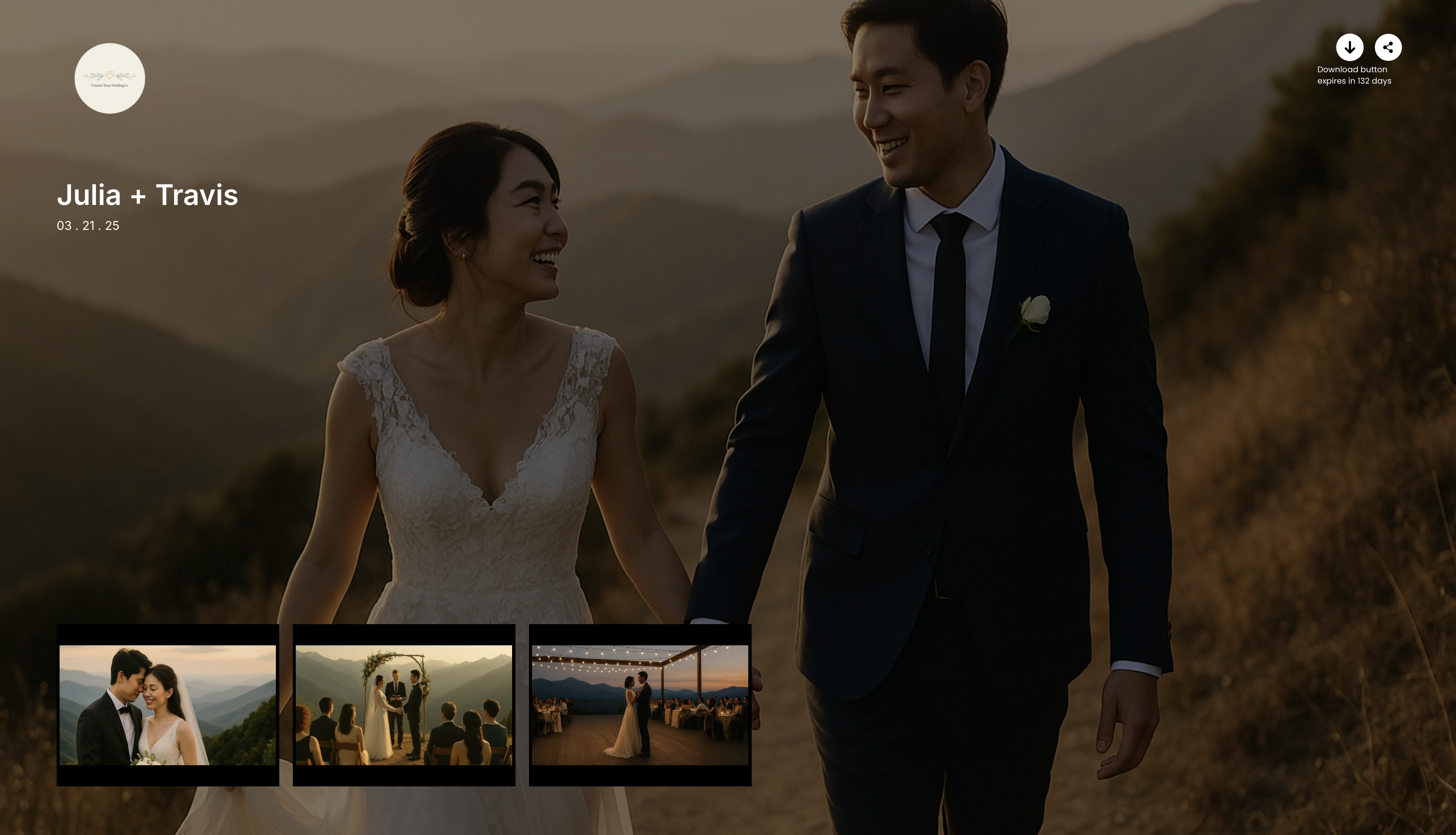
When you deliver a film in Lemlii, your client gets a branded portal. They can stream the film in 4K on their TV, share the link with family, and download the original files directly.
There is no "password123" to remember for a Vimeo link. There is no "Download Limit Reached" error from Google Drive. It is a seamless, premium experience that elevates your brand value immediately.
3. Automations: Robot vs. Human
HoneyBook is famous for its powerful automations. You can build complex spider-webs of triggers that fire off emails automatically. For high-volume businesses like photo booth operators, this is a lifesaver.
However, wedding filmmaking is high-ticket and high-touch.
If you are charging $5,000+ for a film, a robotic “Hey, just checking in!” email sent at 3 AM can actually hurt your brand. What if the couple just told you a family member is ill? An auto-email makes you look tone-deaf.
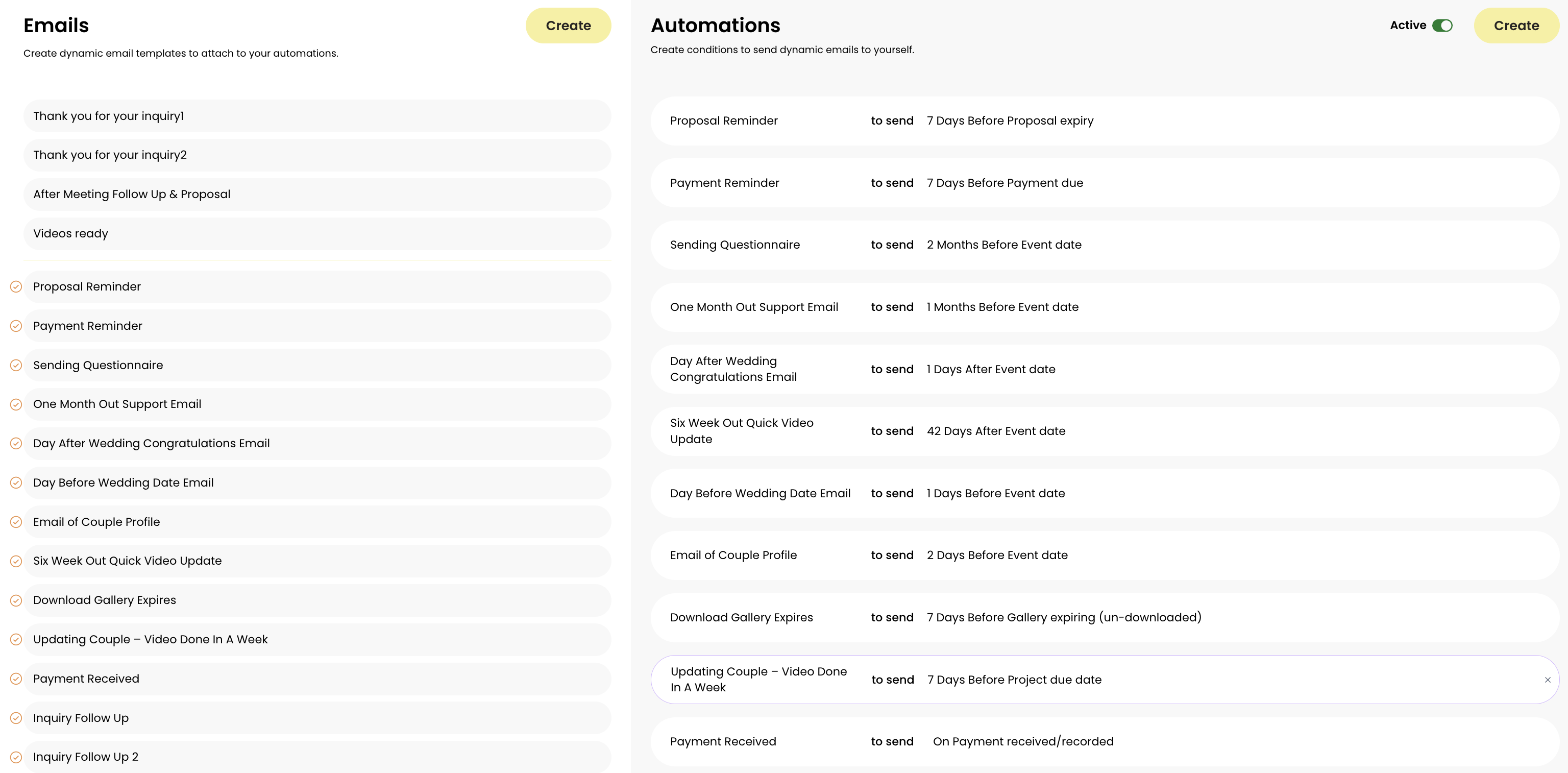
Lemlii uses a "Draft-to-Inbox" philosophy for its Automations. Instead of sending the email for you, Lemlii drafts the email and sends a notification to you first.
- Step 1: Trigger fires (e.g., "1 Month Before Wedding").
- Step 2: Lemlii drafts the email with all the client's info plugged in.
- Step 3: You get a notification. You open the draft, add a quick sentence like "Hope the venue walkthrough went well yesterday!" and hit send.
It keeps you efficient without sacrificing the personal connection that gets you referrals.
4. The "Hidden" Cost of Subscriptions
Finally, let's talk about overhead. When you use a general CRM, you are often paying for features you don't use, while simultaneously paying extra for the features you actually need.
Here is how the monthly costs stack up when you combine your CRM with necessary video hosting:
| Expense Category | The Standard Stack | The Lemlii Stack |
|---|---|---|
| CRM Subscription | ~$40/mo (HoneyBook/Dubsado) | $40/mo (Lemlii Pro) |
| Video Hosting | ~$20-$50/mo (Vimeo/MediaZilla) | $0 (Included 1TB Storage) |
| Total Monthly Cost | ~$60-$90/mo | $40/mo |
By consolidating, you aren't just saving ~$500 a year; you're reducing the mental load of managing multiple logins, billing cycles, and interfaces.
Final Thoughts
If you run a multi-service agency (photo, video, DJ, planning), HoneyBook is likely the better fit for its versatility. It handles complex, multi-faceted projects beautifully.
But if you are strictly a filmmaker looking to simplify your tech stack and tailor your workflow to the rhythm of production, Lemlii isn't just an alternative—it's an upgrade.
Lighten Your Load. Simplify your subscriptions so you can focus on the edit.